
What Is Probate Administration?
Probate administration is the legal process that occurs after someone passes away, during which the deceased person’s assets are distributed according to their will (if they have one) or according to state law (if they do not). This process involves validating the will, identifying and appraising the decedent’s property, paying debts and taxes, and distributing the remaining assets to the rightful beneficiaries or heirs.
Here’s a breakdown of the main steps involved in probate administration:
1. Filing the Will
If the deceased person had a will, it needs to be filed with the court that has jurisdiction for validation. If there is no will, an application or petition is filed to begin the probate process, and the court determines who will serve as the personal representative (a/k/a executor) of the estate.
2. Appointing the Personal Representative
If there is a will, it usually names a personal representative who is responsible for managing the estate. If there is no will, the court will appoint the personal representative according to priority. This person will be responsible for handling all aspects of the administration of the estate.
3. Inventory and Appraisal of Assets
The personal representative must identify and value the decedent’s assets. This may include real estate, bank accounts, investments, and personal property.
4. Paying Debts and Taxes
The estate’s debts, including funeral expenses, medical bills, and any other liabilities, need to be paid or negotiated. The personal representative also needs to ensure any estate taxes and estate income taxes are filed and paid.
5. Distributing Assets
Once debts and taxes are paid, the remaining assets are distributed to the beneficiaries according to the will, or if there is no will, to the heirs, according to state law (usually to the decedent’s spouse or children).
6. Closing the Estate
After all debts are settled, and the assets have been distributed, the probate process is completed, and the estate is closed by filing the appropriate paperwork.
Probate administration in Colorado must be open with the court for at least six months, but full administration of an estate typically takes one year or longer, depending on the complexity of the estate, disputes among family members, or other issues that may arise. Many people seek the help of an attorney to navigate the process and ensure that all legal requirements are met.
What Is Probate Litigation?
Probate litigation refers to legal disputes that arise during the probate process, typically concerning the administration of a deceased person’s estate. These disputes can occur for various reasons, including challenges to the validity of a will, disagreements over how the estate is being administered, or disputes among beneficiaries or heirs.
Here are some common examples of probate litigation:
1. Will Contests
Challenging the Validity of a Will: Family members or other interested parties may contest the validity of a will. Grounds for contesting a will include:
- Lack of Testamentary Capacity: The deceased person was not mentally capable of understanding the nature and consequences of creating a will.
- Undue Influence: The decedent was coerced or manipulated into making changes to the will.
- Fraud: The will was forged or there was deception involved in its creation.
- Improper Execution: The will was not signed and witnessed according to state law requirements.
2. Fiduciary Misconduct
If beneficiaries believe the personal representative (a/k/a executor) of the estate is mismanaging the estate, being dishonest, or acting in bad faith, they may file a lawsuit to remove the personal representative or force them to account for their actions.
- Breach of Fiduciary Duty: Personal representatives are required to act in the best interests of the estate and its beneficiaries. Violations of this duty can lead to litigation.
- Failure to Properly Administer the Estate: Disputes may arise if the personal representative fails to pay debts, distribute assets properly, or follow legal procedures.
3. Disputes Over the Interpretation of the Will
Sometimes, the terms of a will are unclear or ambiguous, leading to disagreements about the decedent’s intent. Probate litigation may arise if beneficiaries interpret the provisions of the will differently, and the court may need to step in to clarify the decedent’s wishes.
4. Claims Against the Estate
Creditors or individuals who believe they are entitled to a share of the estate (but are not included in the will) may bring claims against the estate. This could involve disputes over debts, loans, or alleged promises made by the decedent.
5. Inheritance Disputes
When family members disagree about their share of the estate, especially in cases where the deceased person did not leave a will or the will is contested, probate litigation may arise. For example, a surviving spouse or child might claim they are entitled to more than what was specified in the will.
6. Disputes Over Trusts
If the decedent established a trust, beneficiaries and interested parties may still bring lawsuits regarding the interpretation of the trust or actions by the trustee. Disputes can occur over whether the trust is being administered correctly, whether the trustee is fulfilling their duties, or whether the terms of the trust were followed.
Probate litigation is typically resolved through court intervention. If the parties cannot reach a settlement outside of court, the case may go to trial, where the court will make a final decision. The parties involved may also attempt to resolve disputes through mediation or other forms of alternative dispute resolution before going to trial.
Probate litigation can complicate and prolong the probate process, often leading to delays in the distribution of the estate and additional costs. It’s a way for those involved in the estate to assert their rights, but it’s also a source of emotional and financial strain. In many cases, parties involved in probate litigation seek the assistance of attorneys who specialize in probate law to help navigate these disputes.
Protect Your Rights & Navigate Probate with Confidence
The probate process can be complex and overwhelming, but you don’t have to go through it alone. We are here to guide you every step of the way.

William G. Dornan
Attorney at Law
William G. Dornan is an attorney in the Estate Planning and Probate Practice Group at Thomas N. Scheffel & Associates, P.C., with over 25 years of legal experience. He focuses on estate and trust administration and litigation, estate planning, elder law and Medicaid, and also advises clients on real estate and corporate law matters. Dornan is admitted in Colorado and Ohio, including practice in the U.S. District Court for the District of Colorado and the U.S. District Court for the Southern District of Ohio.
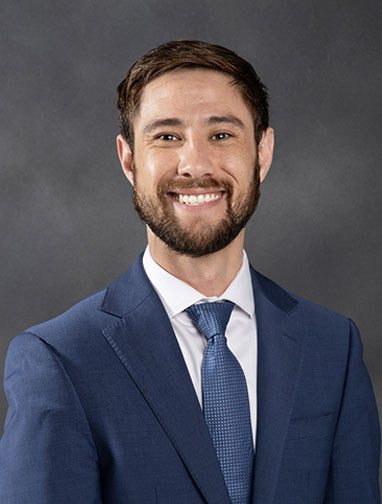
Alexander O. Rodriguez
Attorney at Law
Alexander O. Rodriguez is a Denver Metropolitan Area litigation attorney with over 9 years of experience representing clients across family law, domestic relations, and civil litigation matters. At Thomas N. Scheffel & Associates, P.C., he handles disputes involving divorce and parenting issues, contract and business litigation, probate litigation, real property conflicts, and protective proceedings, including guardianships, conservatorships, and protection orders. Rodriguez earned his J.D. from Washburn University School of Law in 2015 after graduating from the University of Northern Colorado, and he is admitted to the Colorado Bar.
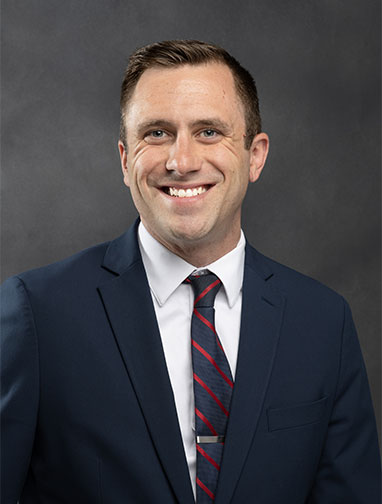
Joseph “Chip” N. Harrell
Attorney at Law
Joseph “Chip” N. Harrell is an attorney in the Estate Planning and Probate Practice Group at Thomas N. Scheffel & Associates, P.C., focusing on pre death planning, post death administration, and estate and trust litigation. He approaches legal work as a problem solving discipline, building strategies that reflect each client’s circumstances and long term objectives while aiming to limit future disputes. Harrell earned his J.D. from Regent University School of Law, holds a master’s degree in American Government, and is admitted to practice in Colorado.

Michael J. McNally
Attorney at Law
Michael J. McNally is a litigation attorney with more than 30 years of experience representing clients in high stakes civil matters, including malpractice, products liability, probate litigation, employment disputes, and insurance bad faith. Licensed in Colorado and Arizona, he has handled cases in state and federal courts across more than a dozen states and is admitted to the U.S. District Court and the Tenth Circuit Court of Appeals. McNally is AV rated by Martindale Hubbell, has been recognized as a Super Lawyer in 5280 Magazine’s Colorado’s Top Lawyers edition, and is a frequent speaker on risk management and automotive products liability.

Matthew W. Bradley
Attorney at Law
Matthew W. Bradley is an attorney in the Litigation, Appellate, Family, and Estate Planning and Probate groups at Thomas N. Scheffel & Associates, P.C., and also serves as a District Court Magistrate Judge in Colorado’s 13th Judicial District. Since taking the bench, he has presided over more than 2,500 hearings, primarily in family law, while remaining available for select matters as primary counsel or in a consulting capacity outside his judicial district. Bradley earned his J.D., cum laude, from Notre Dame Law School in 2020 and is admitted in Colorado and New Mexico.
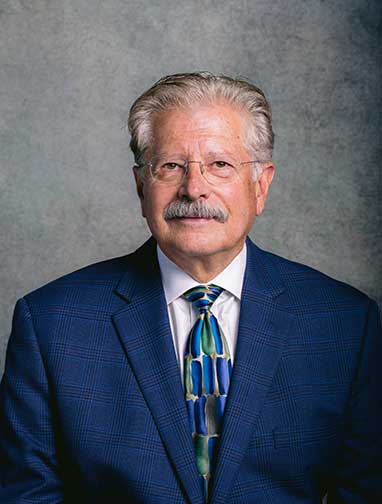
Timothy “Tim” Kenczewicz
Attorney at Law
Timothy “Tim” Kenczewicz is an attorney in the Estate Planning and Probate Practice Group at Thomas N. Scheffel & Associates, P.C., focusing on taxation, estate planning, elder law, and probate. He brings more than 40 years of management experience in financial services, including leading trust and wealth management divisions for large regional banks and launching two trust companies, one nationally chartered. Kenczewicz has served as president of five trust organizations and is admitted to practice in Ohio.
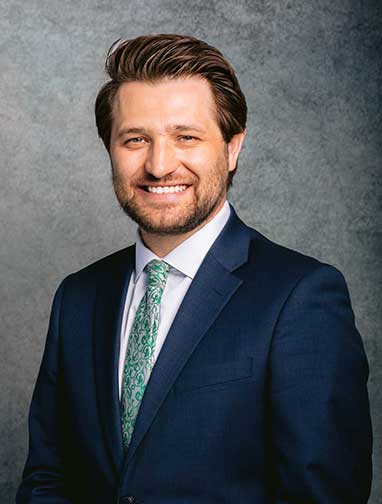
Stephen T. Scheffel
Attorney at Law
Stephen T. Scheffel is an attorney in the Litigation Practice Group at Thomas N. Scheffel & Associates, P.C., bringing more than five years of public service as a Deputy District Attorney to his courtroom focused practice. He has prosecuted thousands of criminal matters, from DUIs and misdemeanor assaults to serious felony cases, and now leverages that prosecutorial insight in criminal defense, civil litigation, and domestic relations matters. Scheffel is admitted to practice in Colorado and holds a J.D. from the University of Notre Dame Law School.
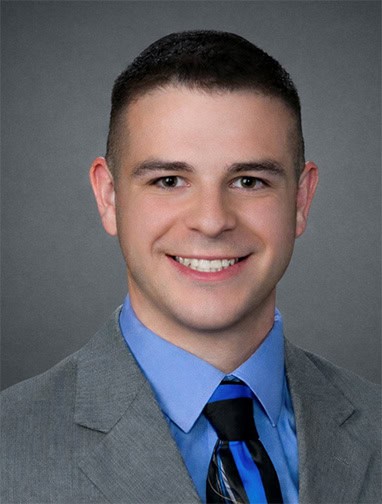
Avraham N. Olesky
Attorney at Law
Avraham N. Olesky is an attorney in the Litigation Practice Group at Thomas N. Scheffel & Associates, P.C., focusing on criminal defense, civil litigation, probate litigation, and contract and business disputes. He earned his J.D. from the University of Denver Sturm College of Law in 2025 and is admitted to practice in Colorado. Olesky also serves as a Judge Advocate in the United States Marine Corps and continues his service as a First Lieutenant in the United States Marine Corps Reserves, bringing disciplined advocacy and practical judgment to every matter.