

What Is Estate Planning?
Estate planning is the process of organizing your financial and personal affairs to ensure that your assets are distributed according to your wishes after your death. It also includes planning for incapacity, such as appointing someone to manage your affairs if you become unable to do so yourself. Estate planning typically involves creating legal documents that outline your desires regarding the management and distribution of your assets, healthcare, and other matters. A well-crafted estate plan helps minimize tax burdens, avoid unnecessary legal complications, and provide financial security for your beneficiaries.
Key Components of Estate Planning
Wills
A will is a legal document that specifies how your assets will be distributed after your death. It can also name guardians and conservators for minor children, appoint a personal representative (a/k/a executor) to manage your estate, and address other important matters. Without a will, your estate may be distributed according to state laws (intestate succession), which may not align with your wishes.
Trusts
A trust is a legal arrangement where you (the settlor) transfer assets to a trustee, who then manages those assets for the benefit of beneficiaries. Trusts can help avoid the probate process, provide more control over asset distribution, and offer potential tax benefits. Common types of trusts include:
Revocable Living Trust: Allows you to retain control over your assets while you’re alive and can be amended or revoked at any time.
Irrevocable Trust: Once created, this type of trust cannot be changed or revoked. It can offer significant tax and asset protection benefits.
Power of Attorney
A general durable power of attorney (POA) is a legal document that allows you to appoint someone (an agent) to act on your behalf in financial matters.
A “standing” POA is effective the moment you execute the document, while a “springing” POA only takes effect under certain conditions, such as when you become mentally incapacitated.
Healthcare Directives
A healthcare directive (also known as an advance directive or living will) outlines your wishes for medical treatment if you’re unable to make decisions due to illness or incapacity. It may include instructions for life-support measures, organ donation, and other healthcare-related decisions.
A medical durable power of attorney allows you to appoint someone to make medical decisions for you if you’re unable to do so.
Beneficiary Designations
Certain assets, like life insurance policies, retirement accounts, and bank accounts, often allow you to designate a beneficiary. These assets pass directly to the named beneficiary without going through probate. It’s essential to keep beneficiary designations updated to ensure your wishes are carried out.
Guardianship and Conservatorship Designations
If you have minor children, estate planning includes choosing a guardian and/or conservator who will care for them in the event of your death or incapacity. This designation is made in your will and ensures that your children are cared for by someone you trust.
Why Estate Planning Is Important
It’s generally a good idea to start estate planning as soon as you have assets or dependents (such as children or a spouse). Major life events like marriage, having children, buying a home, or retirement are also good times to revisit or create an estate plan.
Estate planning is a vital process that can help ensure that your assets are distributed according to your wishes, protect your loved ones, and provide for your healthcare decisions if you’re unable to make them yourself. It often requires the assistance of an attorney to create and execute the necessary legal documents properly.
Ensures Your Wishes Are Followed
Proper estate planning ensures that your assets are distributed according to your specific wishes and not based on default state laws.
Avoids Probate
By using tools like trusts and beneficiary designations, you can avoid or reduce the probate process, which can be time-consuming, costly, and public.
Minimizes Estate Taxes
Strategic planning can help minimize estate taxes, allowing more of your wealth to pass to your beneficiaries or heirs.
Protects Your Loved Ones
Estate planning allows you to make decisions about who will care for your minor children and who will manage your finances if you’re unable to do so.
Provides Peace of Mind
Estate planning provides clarity and security for you and your family, knowing that your affairs are in order.
Ready to secure your family’s future?
Your family’s future deserves a well-crafted estate plan that provides clarity, security, and peace of mind.
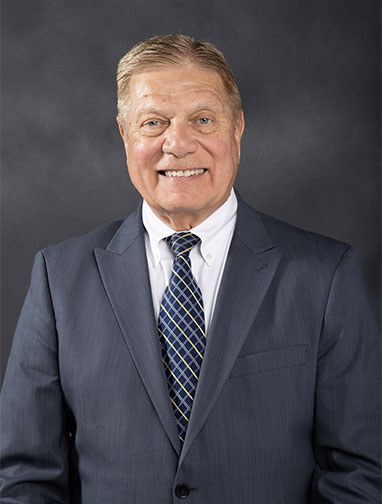
Thomas N. Scheffel
Founder and President of the Firm, Attorney at Law
Thomas N. Scheffel is the founder and president of Thomas N. Scheffel & Associates, P.C., advising individuals and organizations on estate planning, trust and estate administration, taxation, and business matters. He has taught business law and related subjects at Colorado Christian University since 1994, bringing decades of practical legal perspective into the classroom. Scheffel is admitted to practice in Colorado and Wisconsin, as well as the U.S. Tax Court and Federal District Court, and maintains long standing involvement with civic, faith based, and service organizations.

William G. Dornan
Attorney at Law
William G. Dornan is an attorney in the Estate Planning and Probate Practice Group at Thomas N. Scheffel & Associates, P.C., with over 25 years of legal experience. He focuses on estate and trust administration and litigation, estate planning, elder law and Medicaid, and also advises clients on real estate and corporate law matters. Dornan is admitted in Colorado and Ohio, including practice in the U.S. District Court for the District of Colorado and the U.S. District Court for the Southern District of Ohio.

Peter B. Cassel
Attorney at Law
Peter B. Cassel is an attorney in the Estate and Business Planning Groups at Thomas N. Scheffel & Associates, P.C., advising individuals, families, and business owners on integrated planning strategies. His work focuses on estate planning, trust administration, and asset protection planning, with additional experience in corporate, real estate, and nonprofit matters. Cassel is admitted to practice in Colorado and brings a practical approach to aligning client goals with tax efficient structures and long term protection.
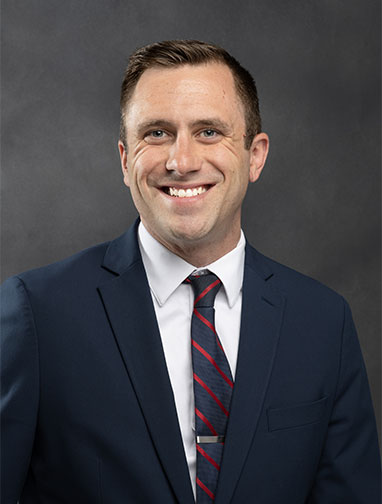
Joseph “Chip” N. Harrell
Attorney at Law
Joseph “Chip” N. Harrell is an attorney in the Estate Planning and Probate Practice Group at Thomas N. Scheffel & Associates, P.C., focusing on pre death planning, post death administration, and estate and trust litigation. He approaches legal work as a problem solving discipline, building strategies that reflect each client’s circumstances and long term objectives while aiming to limit future disputes. Harrell earned his J.D. from Regent University School of Law, holds a master’s degree in American Government, and is admitted to practice in Colorado.

Matthew W. Bradley
Attorney at Law
Matthew W. Bradley is an attorney in the Litigation, Appellate, Family, and Estate Planning and Probate groups at Thomas N. Scheffel & Associates, P.C., and also serves as a District Court Magistrate Judge in Colorado’s 13th Judicial District. Since taking the bench, he has presided over more than 2,500 hearings, primarily in family law, while remaining available for select matters as primary counsel or in a consulting capacity outside his judicial district. Bradley earned his J.D., cum laude, from Notre Dame Law School in 2020 and is admitted in Colorado and New Mexico.
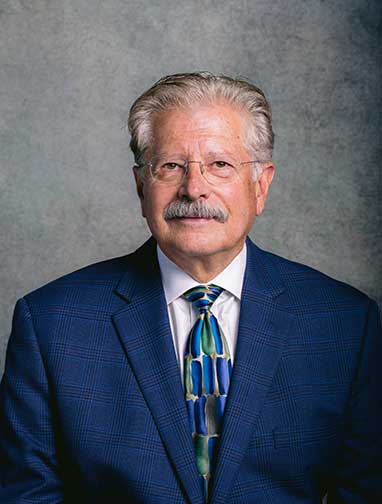
Timothy “Tim” Kenczewicz
Attorney at Law
Timothy “Tim” Kenczewicz is an attorney in the Estate Planning and Probate Practice Group at Thomas N. Scheffel & Associates, P.C., focusing on taxation, estate planning, elder law, and probate. He brings more than 40 years of management experience in financial services, including leading trust and wealth management divisions for large regional banks and launching two trust companies, one nationally chartered. Kenczewicz has served as president of five trust organizations and is admitted to practice in Ohio.
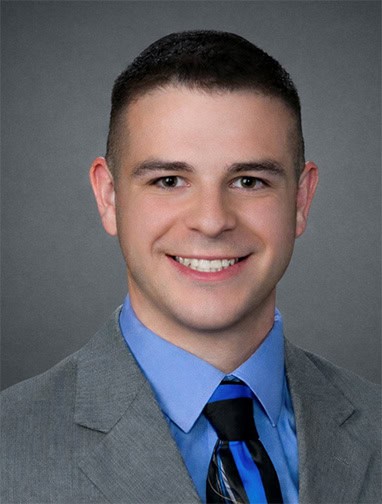
Avraham N. Olesky
Attorney at Law
Avraham N. Olesky is an attorney in the Litigation Practice Group at Thomas N. Scheffel & Associates, P.C., focusing on criminal defense, civil litigation, probate litigation, and contract and business disputes. He earned his J.D. from the University of Denver Sturm College of Law in 2025 and is admitted to practice in Colorado. Olesky also serves as a Judge Advocate in the United States Marine Corps and continues his service as a First Lieutenant in the United States Marine Corps Reserves, bringing disciplined advocacy and practical judgment to every matter.